

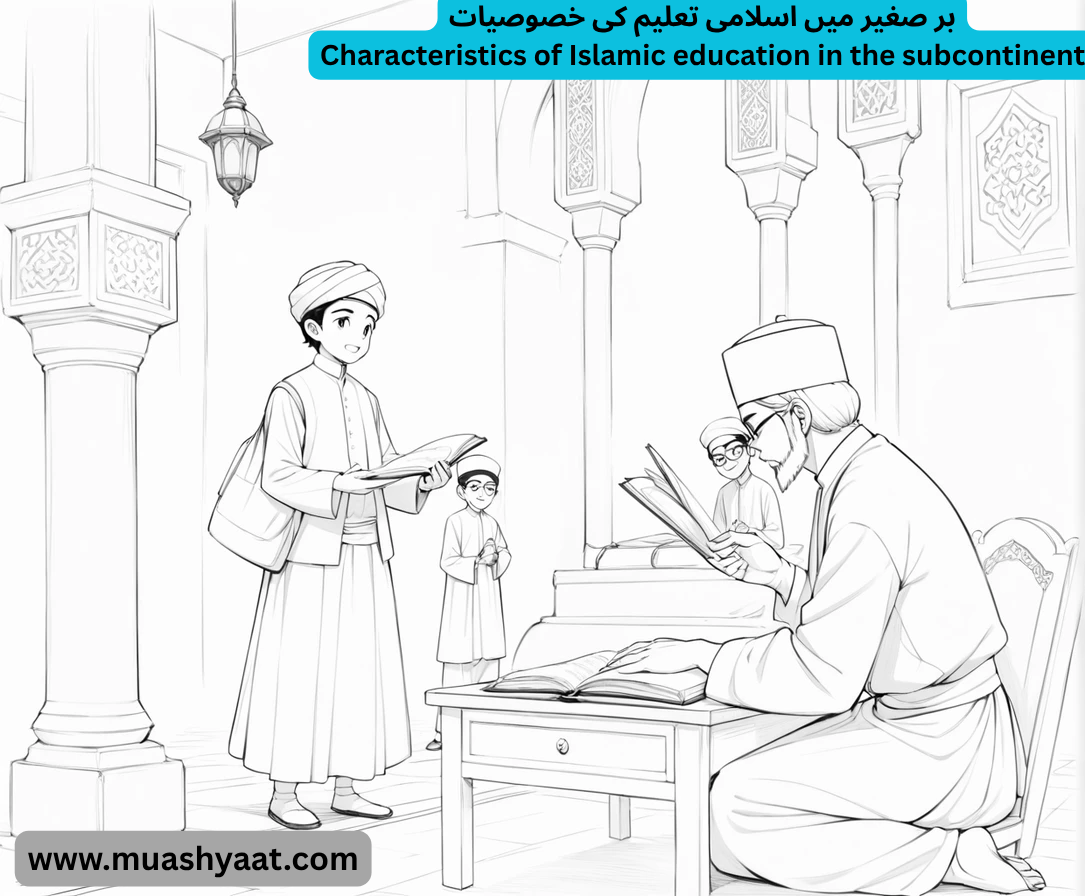
بر صغیر میں اسلامی تعلیم کی خصوصیات ⇐ اسلامی نظام تعلیم جو بر صغیر میں قائم ہوا۔ اس کی چند اہم خصوصیات مندرجہ ذیل تھیں۔ تعلیم کا مرکز دین اسلام تھا۔ تعلیم کو ایک عبادت تصور کیا گیا اور اہل علم اس کی اشاعت عبادت سمجھ کر ہی کرتے رہے۔
Characteristics of Islamic education in the subcontinent The Islamic education system that was established in the subcontinent had the following important features: The center of education was the religion of Islam. Education was considered a form of worship and scholars continued to promote it as such.
تجارتی ادارے
مسجد مکتب اور مدرسے کے علاوہ اہل علم کے مکانات کتب خانے تعلیمی مجالس خانقا ہیں، مقبرے اور محلات بھی تعلیم کے مراکز رہے۔ دینی تعلیم کے ساتھ دنیاد تعلیم کا بھی اہتمام کیا گیا۔ اس کیلئے کارخانے تجارتی ادارے ماہرین کی تربیت گاہیں پیشہ ورانہ انجمنیں اور صاحب علم وفن افراد سر گرم عمل رہے۔
Commercial Institutions
In addition to mosques, schools and madrasas, houses of scholars, libraries, educational assemblies, monasteries, tombs and palaces were also centers of education. Along with religious education, secular education was also organized. For this, factories, commercial institutions, training centers for experts, professional associations and people of knowledge and art were actively involved.
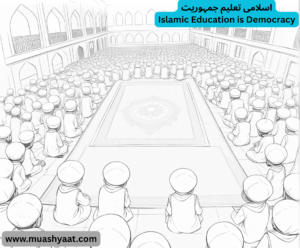
اسلامی تعلیم جمہوریت
اسلامی تعلیم جمہوریت کی روح سے پوری طرح آشنا تھی۔ علم پر کسی طبقے کی اجارہ داری نہیں تھی۔ خاص وعام علم سیکھنے اور سکھانے کے مجاز تھے۔ معاشرے یا حکومت کی جانب سے حصول علم اور ترسیل علم پر کوئی پابندی نہیں تھی۔ اسلامی تعلیم عالم گیر (یونیورسل) تھی۔ کوئی آبادی یا علاقہ مکتبوں اور مدرسوں سے خالی یا محروم نہ تھا۔
Islamic Education is Democracy
Islamic education was fully aware of the spirit of democracy. No class had a monopoly on knowledge. Everyone was entitled to learn and teach special and general knowledge. There was no restriction on the acquisition and transmission of knowledge by society or the government. Islamic education was universal. No population or area was empty or deprived of schools and madrasas.
مسلمانوں کا نظام
مسلمانوں کا نظام تعلیم خالص عوامی تھا۔
حکومت تعلیم کے فروغ کیلئے کثیر روپیہ خرچ کرتی تھی اور ہر طرح کی سہولتیں فراہم کرتی تھی لیکن کسی زمانے میں بھی نظام تعلیم حکومت کا تابع نہ تھا۔
حکومت کی طرف سے نگرانی صرف تعلیمی ضروریات فراہم کرنے کی حد تک تھی۔
The Muslim system
- The Muslim education system was purely public.
- The government spent a lot of money for the promotion of education and provided all kinds of facilities, but at no time was the education system subordinate to the government.
- The supervision by the government was limited to providing educational needs.
حکومت کی سرپرستی کا علم
تعلیم کیلئے ایک طرف یہ آزادی تھی اور دوسری طرف حکومت کی سرپرستی کا یہ علم تھا کہ وہ تعلیم کو اپنے تمام کاموں سے زیادہ اہم سمجھتی تھی۔
ارباب حکومت تعلیم کو تجارت نہ سمجھتےتھے اور نہ خزانہ پر ایک بار کیونکہ تعلیم دنیا و آخرت دونوں کو بنانے کا ایک موثر ذریعہ ہے۔
Knowledge of government patronage
- On the one hand, there was freedom for education, and on the other hand, there was knowledge of government patronage that it considered education more important than all its other activities.
- The government authorities did not consider education to be a trade or a burden on the treasury, because education is an effective means of building both this world and the hereafter.
سرکاری ذریعے سے امراء
مسلمانوں کے ہاں تعلیم ہمیشہ مفت رہی بلکہ طلبہ کی بود و باش خوردونوش اور علاج معالجے کا بھی پورا انتظام کیا جاتا تھا اور جیب خرچ کیلئے طلبہ کو سرکاری ذریعے سے اور امراء کی طرف سے وظائف دیئے جاتے تھے۔
Officially, the princes
Education was always free among Muslims, and full arrangements were made for the students’ living, food, and medical care, and students were given scholarships from the government and nobles for pocket money.
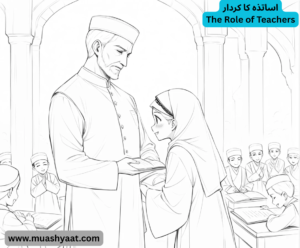
اساتذہ کا کردار
اسلامی نظام تعلیم کی ایک اور خصوصیت شاگرد اور استاد کا قلبی تعلق تھا۔ اساتذہ کا کردار مثالی ہوتا تھا۔ ان کے ایثار و قربانی اور اخلاص و تعلیمی انہماک سے طلبہ بے حد متاثر ہوتے اور ان خوبیوں کو طرز زندگی بنانے کی کوشش کرتے۔
The Role of Teachers
Another feature of the Islamic education system was the heartfelt bond between the student and the teacher. The role of teachers was exemplary. The students were deeply impressed by their dedication, sacrifice, sincerity, and educational commitment, and they tried to make these qualities a way of life.
اساتذہ طلبہ کے تزکیہ نفس
اساتذہ طلبہ کے تزکیہ نفس اور اصلاح باطن کی بھی فکر کرتے تھے انہیں ہر وقت یہ خیال دامن گیر رہتا تھا کہ طلبہ کا معیار محض بلند نہ ہو بلکہ ان کا اخلاق بھی بلند ہو اور وہ اچھے انسان اور اچھے مسلمان بن کر نکلیں۔
Teachers and students’ self-purification
Teachers were also concerned about the students’ self-purification and inner reformation. They were always concerned that the students’ standards not only be high, but that their morals also be high and that they would emerge as good human beings and good Muslims.
ہم أمید کرتے ہیں آپ کو “بر صغیر میں اسلامی تعلیم کی خصوصیات” کے بارے میں مکمل آگاہی مل گئی ہوگی۔۔۔
MUASHYAAAT.COM 👈🏻 مزید معلومات کیلئے ہمارے اس لنک پر کلک کریں
ہماری ویب سائٹ پر آنے کیلئےشکریہ